Do You Need to Be Flexible Before Starting Reformer Pilates?
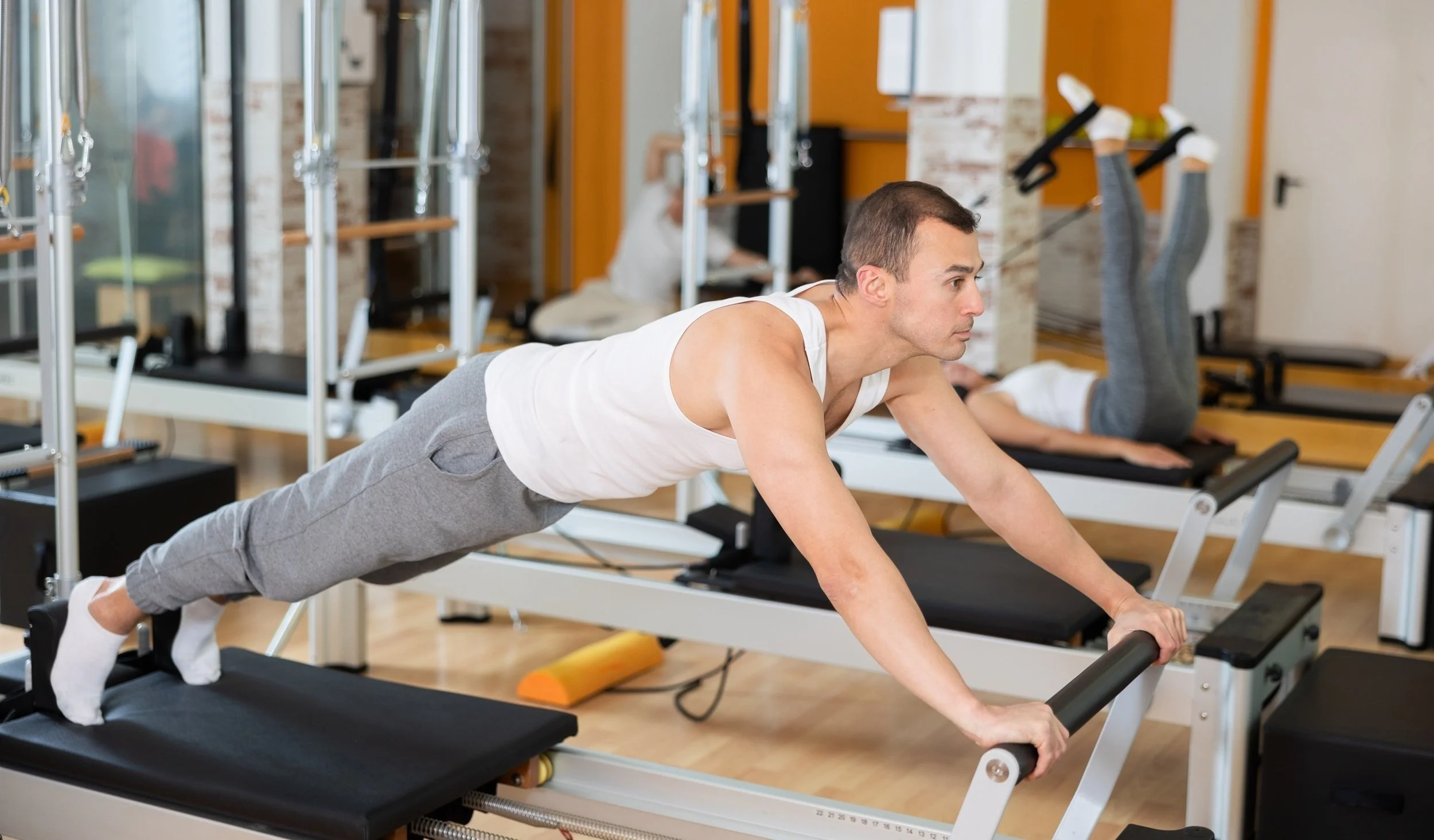
Reformer pilates can look intimidating when the images you see feature experienced participants stretching into positions that seem far beyond your reach. If touching your toes feels difficult or you regularly describe yourself as stiff, you might wonder whether you need to improve your flexibility before booking a class.
The answer is no. You do not need to arrive with an impressive range of movement to begin. A suitable session starts with what you can comfortably manage, with instruction and exercise options that reflect your experience.
At Fitness Space Wimbledon, reformer pilates is available to members and non-members, with smaller classes and one-to-one sessions offered. Speaking to the team before booking can help you choose an appropriate starting point.
Flexibility Is Something You Can Work On
Being flexible is not an entry requirement for reformer pilates. It is one aspect of movement that you can work on through appropriately guided exercise.
People arrive at their first class with different backgrounds. Some already enjoy strength training but find certain movements unfamiliar. Others have spent time away from exercise or simply want to try something different.
You may feel comfortable moving your shoulders but find movements involving your hips more restricted. You might also notice that one side feels different from the other. These observations give your instructor useful information about how to guide you.
There is no need to reach a particular position before you are allowed to start learning. Your first goal is to become familiar with the equipment and practise movements you can control.
Reformer Pilates Involves More Than Stretching
Flexibility often receives the most attention in photographs, but a reformer pilates class is not a series of tests to see how far you can stretch.
Sessions can involve strength, coordination, balance and controlled movement. You will also learn how to follow instructions, position yourself on the equipment and coordinate different parts of your body.
A reformer has a moving platform, known as the carriage, alongside springs, straps and a footbar. These features allow an instructor to introduce different exercises and adjust their demands.
The equipment may look complicated initially, but you do not need to understand every component before attending. Ask your instructor to explain the setup and guide you through any adjustments.
Being willing to listen and ask questions is more useful than arriving able to perform an advanced stretch.
How Exercises Can Be Adapted to Your Starting Point
An instructor can adjust an exercise in several ways. The appropriate option depends on the movement, the equipment and your individual needs.
Working Through a Smaller Range
You may be asked to move through a smaller range while learning to maintain control. That could mean moving the carriage a shorter distance or reducing how far you reach.
A smaller movement can still require concentration and effort. There is no benefit in extending further simply to match someone else if you lose control of the exercise.
Changing the Starting Position
The position of your body affects how a movement feels. An instructor may suggest a different setup or an alternative exercise if the original position is unsuitable.
Tell them if you cannot comfortably get into a position. This allows them to review the exercise rather than leaving you to improvise.
Adjusting the Equipment
Spring settings influence how the carriage behaves. Depending on the exercise, springs can provide resistance or assistance, so a lighter setting is not automatically the easier choice.
Follow your instructor’s directions rather than copying the settings used by the person beside you.
Allowing More Time and Rest
You may need a demonstration repeated or a pause between exercises. Taking time to understand the movement is part of learning.
Adaptations should help you participate appropriately, without pressure to keep pace with someone who has attended for months.
What to Tell Your Instructor Before Class
“I’m not very flexible” is a useful starting point, but explaining what you find difficult gives your instructor more context.
Perhaps reaching overhead feels restricted, or you struggle to sit comfortably in certain positions. You may feel unsure about balancing or getting on and off the equipment.
Before your first session, mention:
Whether you have tried pilates or reformer equipment before.
Your usual activity level.
Movements or positions you find difficult.
Any current pain, injuries or relevant health conditions.
What you hope to get from attending.
You do not need to share personal health details with the whole class. Ask to speak privately with the instructor or contact the team beforehand.
If you have an injury, have recently had surgery or are unsure whether exercise is appropriate, seek advice from a qualified healthcare professional before joining. An ordinary group fitness class should not be assumed to provide rehabilitation.
Choose the Right Session for Your Experience
Choosing an appropriate class matters more than being flexible.
An experienced participant may recognise instructions and move between exercises quickly. A newcomer needs time to learn those same details, even if they already have good fitness.
Fitness Space Wimbledon lists its standard reformer pilates sessions as mixed ability, while express sessions are described as intermediate plus. A shorter class is therefore not necessarily a beginner option.
Speak to the team about your experience before booking. Ask which session they recommend and how newcomers are introduced to the equipment.
One-to-one sessions may also be worth discussing if you would prefer individual guidance while becoming familiar with the reformer. You can then make an informed decision about whether a group session suits you.
Avoid Comparing Your Range With Other Participants
In a class, it is easy to notice how far somebody else can reach or how confidently they move. However, their movement does not tell you what is appropriate for your body.
They may have years of experience, a different exercise background or simply different proportions. Matching their position is not a useful measure of whether you are doing well.
Focus instead on the instructions you have been given. Can you move with control? Do you understand where to place your hands or feet? Can you recognise when you need help?
If you feel lost, ask. A brief explanation can be more valuable than continuing through several repetitions while unsure of the movement.
You Do Not Need an Intensive Stretching Routine Beforehand
There is no need to spend weeks forcing yourself into stretches before attending your first class. Trying to become “flexible enough” can turn preparation into another reason to postpone starting.
A more useful approach is to check the studio’s guidance, choose suitable clothing and arrive with enough time to speak to the instructor. Ask whether grip socks are required and what you should bring.
During the session, avoid pushing through pain to reach a position. Stop the movement and tell the instructor if something hurts or feels wrong.
Your first class is an opportunity to learn how the equipment feels and how you respond to the exercises. You are not expected to demonstrate everything you might eventually learn.
Look for Progress Beyond How Far You Stretch
Progress may first appear as greater familiarity with the class.
You might understand an instruction more quickly, feel more confident using the straps or move the carriage with less hesitation. An exercise that once required several reminders may gradually become easier to follow.
Over time, you may also notice changes in your comfortable range of movement. However, there is no fixed timetable, and flexibility should not be the only measure of a worthwhile session.
Ask your instructor what to focus on next. One clear goal, such as improving control during a familiar exercise, can make progress easier to recognise.
Start Reformer Pilates at Fitness Space Wimbledon
You do not need to become flexible before exploring reformer pilates. You need a suitable class, clear guidance and the opportunity to work from your own starting point.
Fitness Space Wimbledon offers reformer pilates to both members and non-members, with smaller classes for focused attention and one-to-one sessions available.
Visit the reformer pilates page to explore the options, then speak to the team about your experience and any concerns before booking. Your first session can begin with learning the basics, without expecting your body to move like someone else’s.